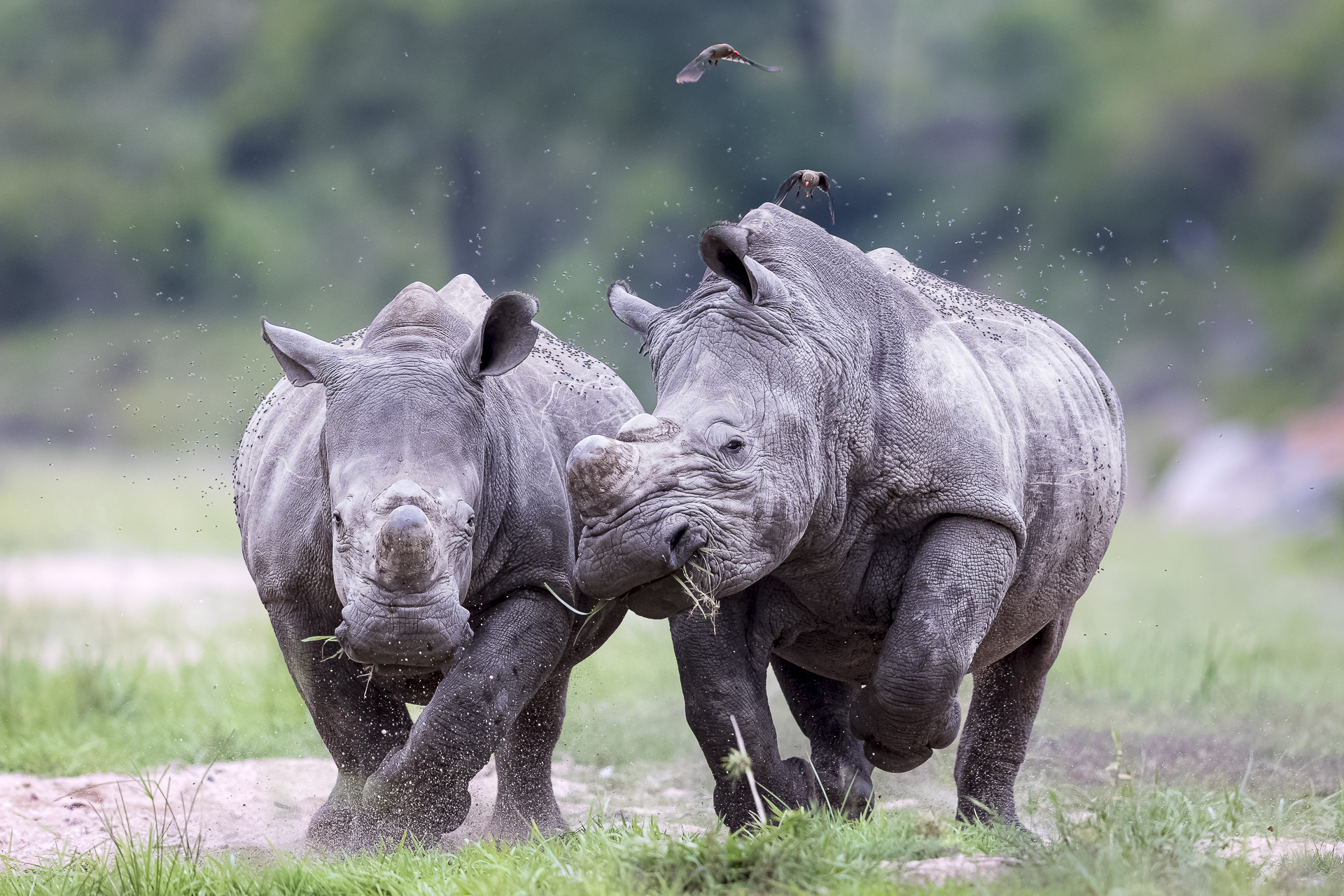
Private Kruger National Park Photography Safari
A private Kruger National Park photography safari with Andrew Aveley gives you the time, flexibility and practical field guidance needed to create more considered wildlife images.
Personally hosted by Andrew Aveley, a professional wildlife photographer and registered Nature and Culture Guide, each safari is planned around your experience, photographic interests and available time. Options range from private half-day and full-day drives to custom multi-day journeys through Kruger.
The experience is suitable for beginners, experienced photographers, solo travellers, couples and small private groups. Non-photographing partners are also welcome. You do not need the latest camera or an enormous lens—although the enormous lens is, admittedly, quite useful when the subject is sitting on the other side of a river.
Kruger Photography Safari at a Glance
Destination: Kruger National Park, South Africa
Safari format: Private half-day, full-day or multi-day options
Group type: Solo travellers, couples and small private groups
Photography level: Beginner to experienced
Main subjects: Wildlife, birds, landscapes, behaviour and natural light
Guidance: Practical photography support and nature interpretation in the field
Vehicle: Private open safari vehicle or guided support in your own vehicle, depending on the arrangement
Accommodation: Included only when specified in a multi-day proposal
Dates and rates: Customised according to the safari format and requirements
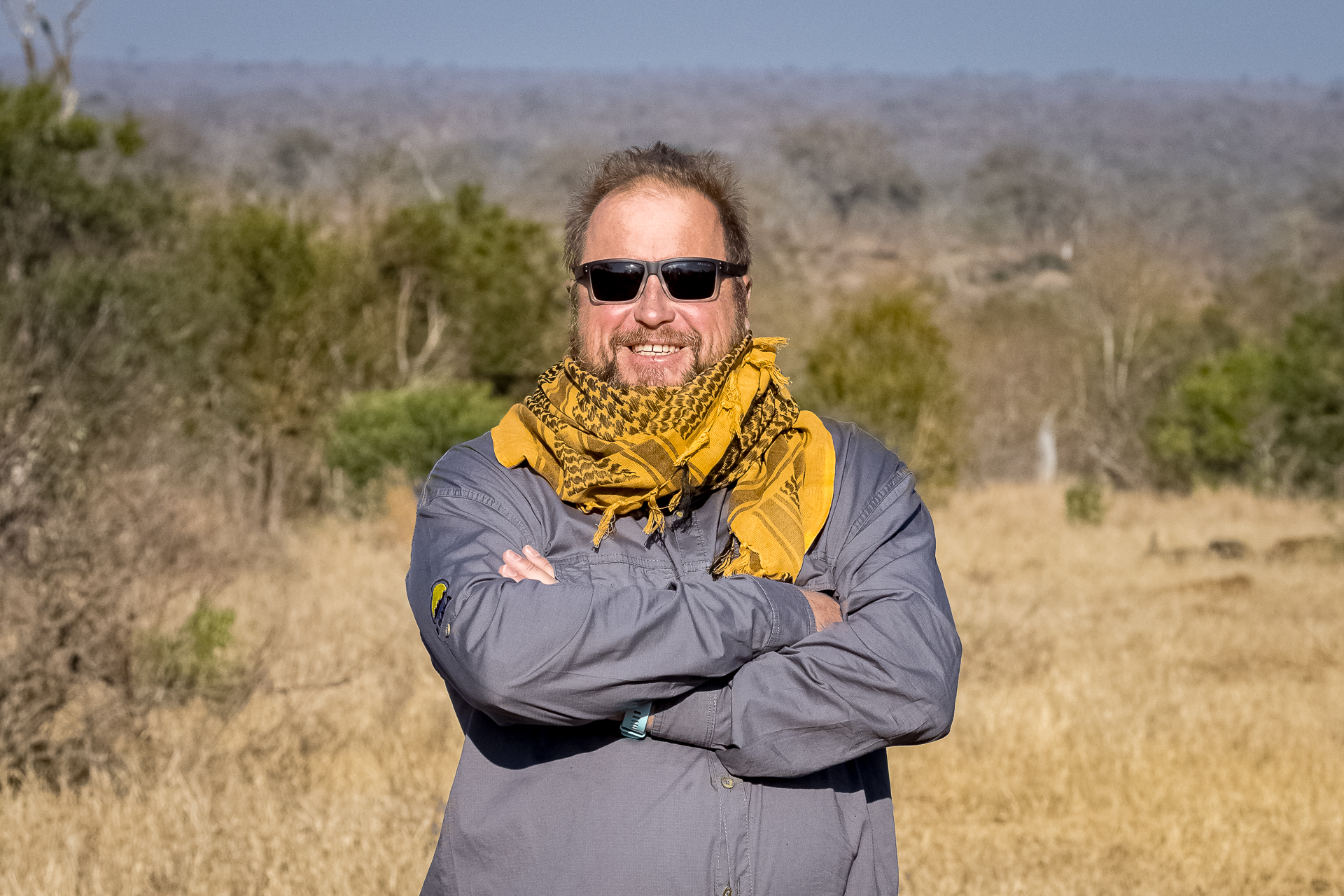
A Private Safari Built Around Photography
A photographic safari requires a different approach from a standard game drive.
The aim is not simply to see as many animals as possible. Time is needed to consider the direction of the light, the background, the position of the vehicle and what the subject may do next.
Sometimes that means remaining with one animal rather than immediately moving on. At other times it means leaving a busy sighting and looking for a quieter opportunity where there is more room to work creatively.
Andrew’s approach is patient, practical and responsive to what is happening in the field. The wildlife and natural conditions always determine the final result, but careful positioning and anticipation can give you a much better chance of making the most of each opportunity.
Why Choose a Kruger National Park Photography Safari
Kruger National Park offers an exceptional variety of photographic subjects and environments.
Its different habitats create opportunities to photograph large mammals, predators, birds, smaller animals, woodland scenes, river systems and broader landscapes. A single day may offer anything from elephants in open country to a small bird feeding quietly beside the road.
The photographic possibilities also change with the seasons. Vegetation, water availability, migrant birds, animal movement and the quality of the light all influence what may be encountered.
No particular animal, bird or photograph can ever be guaranteed. That uncertainty is part of working with nature. The important thing is to understand the conditions, remain observant and be ready when an opportunity develops.
What Makes This Kruger Photography Safari Different?
Time to Work with Light
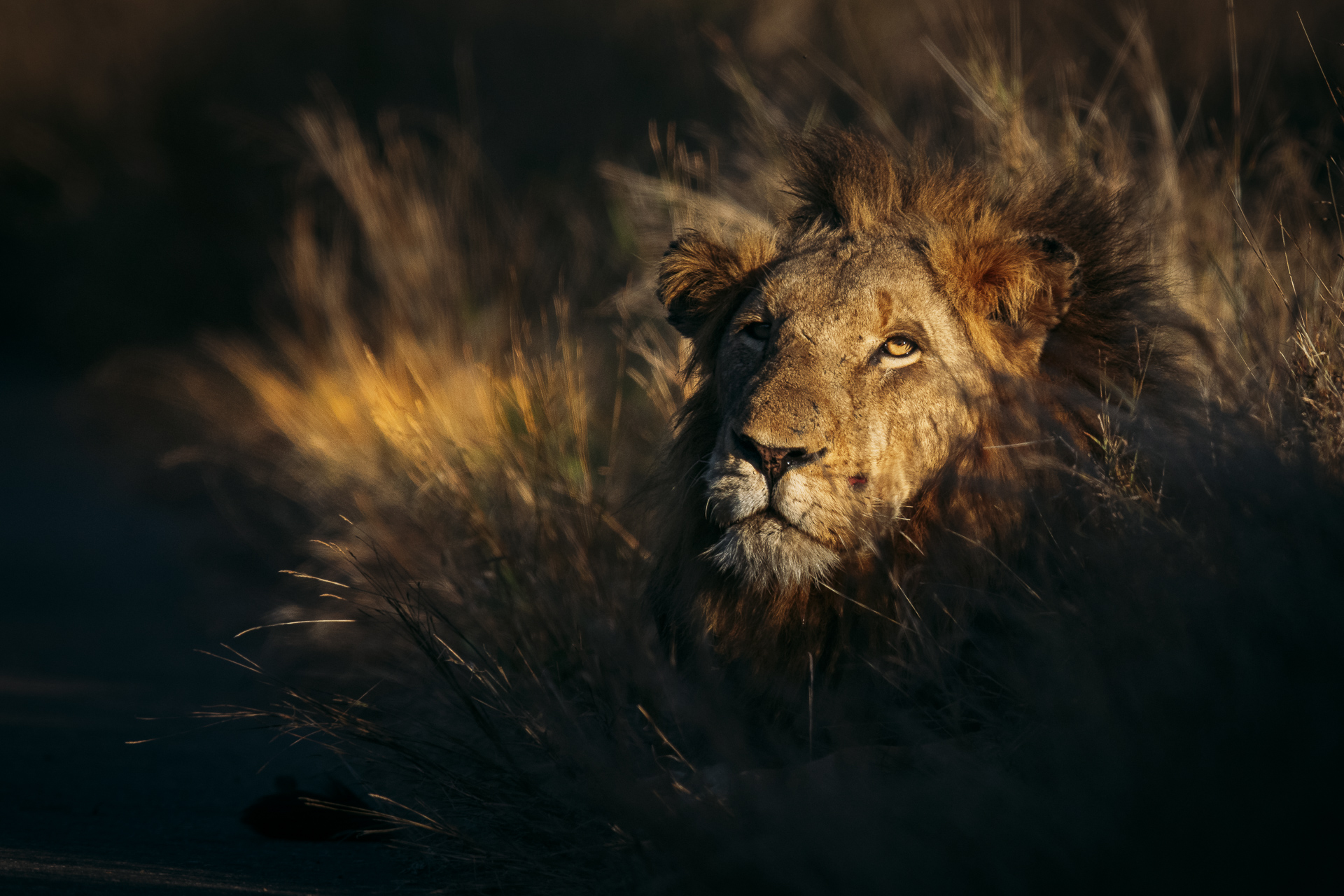
Light plays an important role in how Andrew approaches wildlife photography.
A subject in beautiful light can create a stronger image than a more sought-after species in poor conditions. During the safari, attention is given to the position and quality of the light, the background, the surrounding environment and the possibility of movement or behaviour.
This may involve working with soft early light, side lighting, backlighting, silhouettes, difficult contrast or the muted conditions of an overcast day.
The aim is not to follow one fixed formula. It is to recognise what the available light offers and use it deliberately.
Practical Photography Guidance in the Field
Guidance is adapted to your level of experience and provided as photographic opportunities develop.
This may include assistance with:
- Camera settings for changing light and subject movement
- Shutter speed, aperture and ISO decisions
- Autofocus settings and subject tracking
- Exposure compensation and highlight control
- Composition and background awareness
- Birds and wildlife in motion
- Panning and slower-shutter techniques
- Working from a safari vehicle
- Anticipating behaviour
- Photographing subjects within their environment
- Developing a more consistent photographic approach
The safari is not a rigid classroom course. Most learning takes place while working with real subjects under real field conditions.
Formal image reviews or editing sessions can be added to selected multi-day itineraries when arranged in advance. They are not automatically included in every day safari.
Wildlife Knowledge Alongside Photography
Successful wildlife photography involves more than camera settings.
Understanding behaviour, habitat and environmental conditions helps a photographer anticipate what may happen next. Andrew combines photographic guidance with nature interpretation so that guests can better understand the subjects they are photographing.
This may involve recognising signs of possible movement, feeding behaviour, interactions between animals or the way changing weather and light affect the scene.
There is never a guarantee that the animal will cooperate. Wildlife has a remarkable ability to turn its back at precisely the moment everything else is perfect.
A Responsible Field Approach
The welfare of the subject always comes before the photograph.
Andrew’s guiding approach is based on patience, appropriate distance, quiet observation and responsible positioning. Wildlife should not be pressured merely to create a photographic opportunity.
The aim is to photograph natural behaviour while respecting the animal, other visitors and the rules of Kruger National Park.

Private Kruger Photography Safari Options
Half-Day Photography Safari
A private half-day safari is suitable for guests with limited time or those who want a focused morning or afternoon photographic experience.
The route is planned around the chosen entry point, seasonal conditions, available light and your main photographic interests.
A half-day safari can also be useful for beginners who want practical help understanding their camera before committing to a longer trip.
Full-Day Photography Safari
A full-day safari allows more time to explore different habitats and work through changing light conditions.
The pace remains flexible, with time allocated to photographic opportunities rather than following a rushed sightseeing schedule. Rest and meal stops are planned according to the route, park facilities and conditions on the day.
This option works well for photographers who want a meaningful day in the field without requiring an overnight itinerary.
Multi-Day or Overnight Photography Safari
A multi-day Kruger photography safari provides the most complete experience.
Staying within or near the park allows different areas to be explored and gives more time to understand how light, habitat and wildlife activity change from one day to the next.
The itinerary may include one or more camps, depending on the duration, availability and photographic goals. Accommodation, meals, transfers and other arrangements will be clearly described in the individual proposal.
Multi-day safaris can also include structured discussions, image reviews or editing guidance when these are agreed upon in advance.
Photographic Guidance in Your Vehicle
Where practical and operationally suitable, Andrew can join you in your own vehicle as a dedicated photographic guide.
This can be useful for self-drive visitors who already have accommodation and transport arranged but want experienced guidance with routes, positioning, wildlife interpretation and photography.
The suitability of this option depends on the vehicle, group size, entry arrangements and planned area.
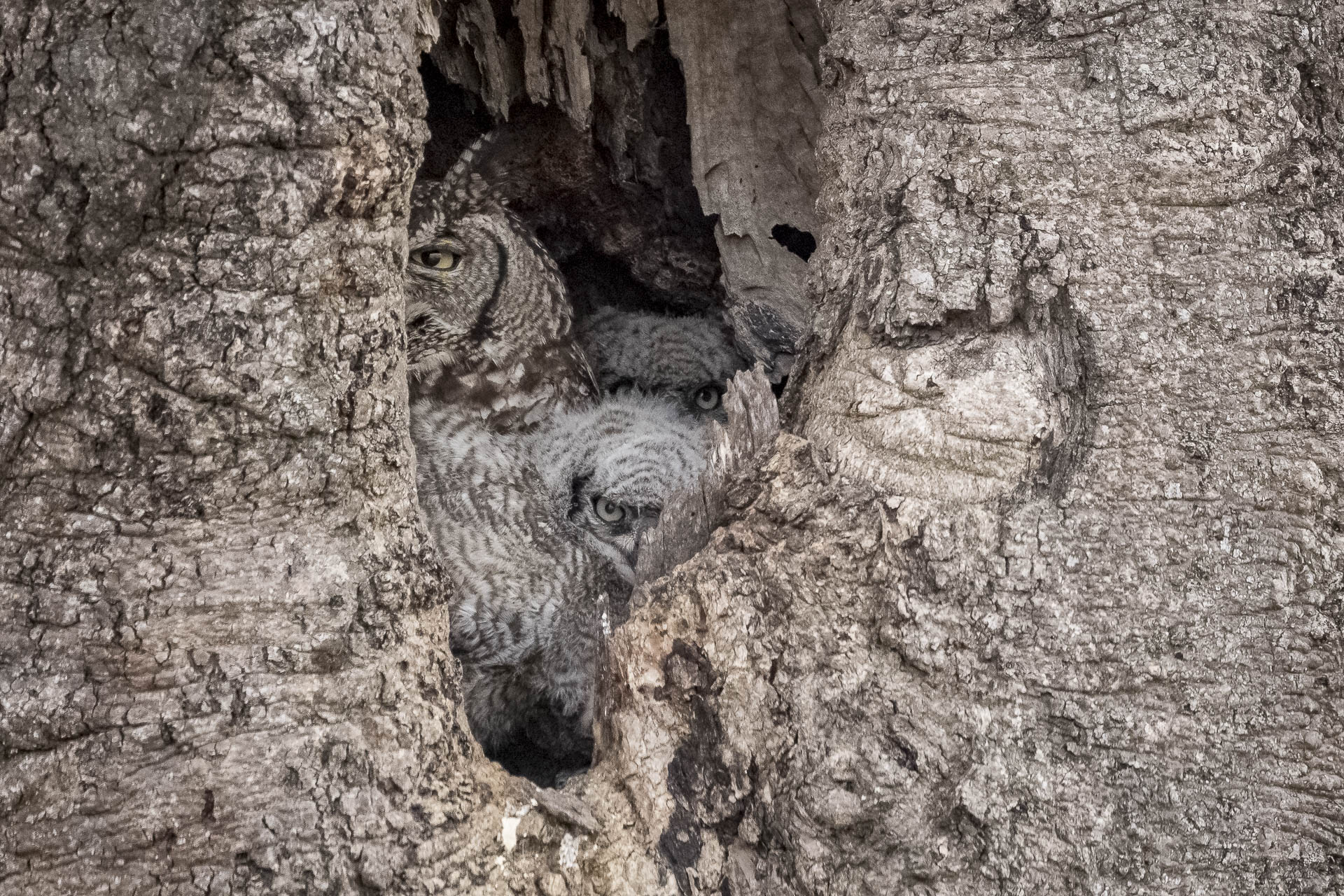
Bird Photography Focus
A private safari can be planned with a stronger focus on birds and bird photography.
The approach may include perched birds, birds in flight, behaviour, environmental compositions and the practical challenges of photographing small or fast-moving subjects from a vehicle.
Mammals and other wildlife will still be enjoyed when suitable opportunities arise, but the route and pace can be adapted to guests whose main interest is bird photography.
Who Is This Safari For?
This private Kruger photography safari is suitable for:
- Beginners who want practical help understanding their cameras
- Intermediate photographers wanting more consistent results
- Experienced photographers looking for flexible private field support
- Wildlife and bird photographers
- Solo travellers
- Couples and small private groups
- Photographers travelling with non-photographing partners
- Visitors who want to understand Kruger’s wildlife as well as photograph it
All camera brands are welcome.
Andrew’s guidance is based on photographic principles rather than a particular manufacturer. Help can be adapted to mirrorless cameras, DSLR systems, bridge cameras and, where appropriate, mobile photography.
How Are the Route and Daily Plan Decided?
The route is based on your starting point, available time, season, park conditions and photographic interests.
For a day safari, the practical entry gate and return arrangements will influence the area that can be covered. For a multi-day safari, camp availability and the overall route become part of the planning process.
The day is not built around racing from one reported sighting to another. Interesting information may certainly influence a decision, but light, habitat, behaviour and the quality of the potential photographic opportunity remain important.
Driving slowly and observing carefully often reveals opportunities that are easily missed at speed.

A Typical Multi-Day Photography Safari
A typical day may begin around the relevant park gate or camp opening time.
The early part of the morning is used to work with cooler conditions, softer light and increased wildlife activity. The route is adjusted as sightings and photographic opportunities develop.
A midday break allows time to rest, recharge batteries, back up images and discuss what has been photographed. Depending on the itinerary, this may take place at a camp, picnic site or accommodation.
The afternoon session focuses on changing light and the opportunities that develop towards the end of the day.
The exact programme remains flexible. Weather, wildlife activity, road conditions, park regulations and seasonal gate times will always influence the final plan.
What Equipment Should You Bring?
A camera with interchangeable lenses is useful but not compulsory.
A typical wildlife photography setup may include:
- A camera body with reliable autofocus
- A telephoto or zoom lens
- A shorter lens for landscapes and environmental scenes
- Spare batteries
- Sufficient memory cards
- Battery chargers
- A beanbag or suitable camera support
- Lens-cleaning equipment
- A laptop and storage drive for a multi-day safari
- Weather protection for you and your equipment
Do not buy unfamiliar equipment immediately before the safari unless there is enough time to learn how to use it.
Photography equipment rental or additional support may be arranged separately, subject to availability. Discuss any rental requirements before confirming the safari.